While absentmindedly searching in the kitchen, I stumbled upon a small find that completely unsettled me.
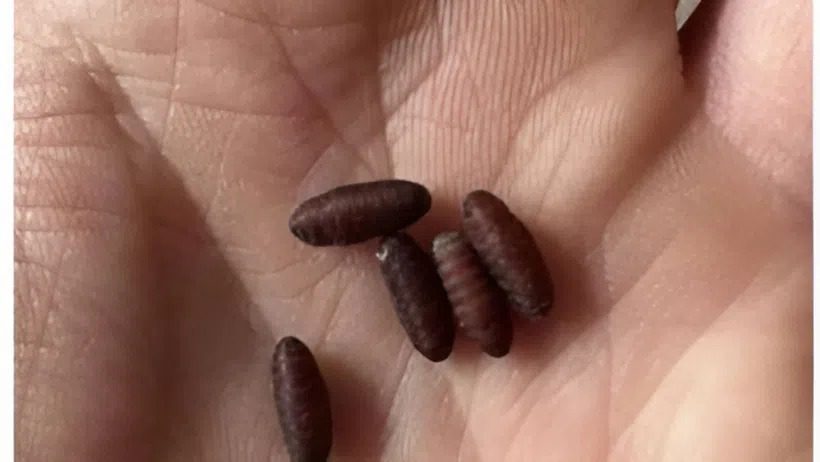
Their dark brown color and smooth texture, almost too perfect, initially made me think they were… completely abnormal. 😱
“What is this?!”, I thought. My first thought was that they were insect remains.
Capsules, maybe abandoned eggs, or worse… cocoons of a small animal, something hidden, dangerous.
These small structures, so well-formed, with their clean appearance, plunged me into deep doubt. It was too strange to be natural. Something inside me sensed that I was facing a mystery much darker than just a seed.
“Insects? Larvae? Or maybe a natural trap?” I wasn’t sure at all what I was looking at.
But I had to find out what it was. My curiosity pushed me to go further… and what I found exceeded my expectations. 😯
👉 For the rest, read the article in the first comment 👇👇👇👇.
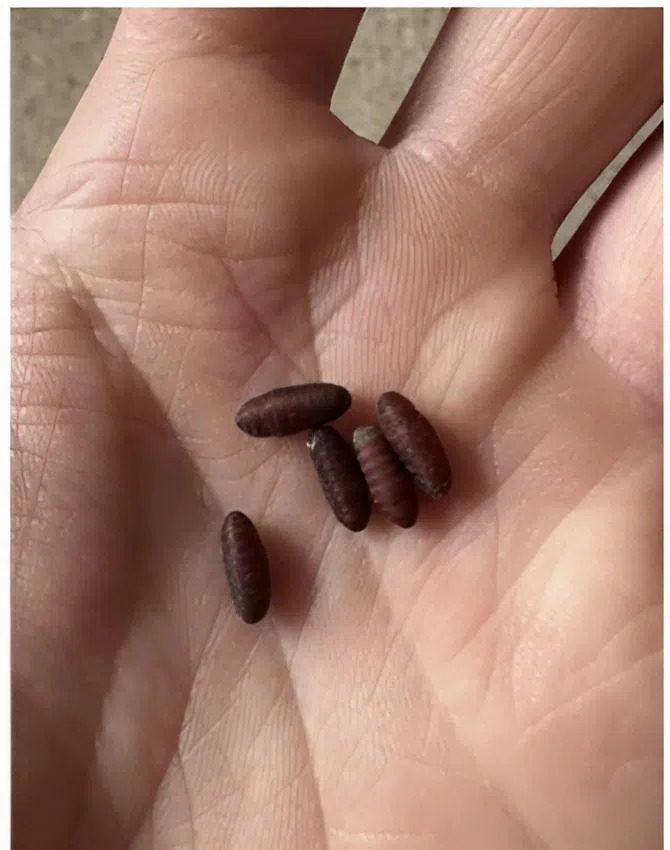
After some research, I discovered that these were “Cape Bean” seeds (Phaseolus lunatus), a legume with multiple virtues, native to Africa but cultivated worldwide.
These small seeds, often used in traditional cooking, are a real treasure of nutrients! They are rich in protein, fiber, and minerals, and their mild flavor makes them perfect for enriching our dishes.
But that’s not all… They are also used in traditional remedies, making them even more fascinating.
But beware, it’s not all so simple! ❗ Some of these seeds can be toxic if not prepared properly. They require a particular know-how to be consumed safely.
That’s where the magic of preparation comes in: a true culinary art to master in order to enjoy all the benefits of these natural treasures!
In summary, these seeds, which seem so simple at first glance, hide a rich history of traditions and secrets.
And they can become a true health ally if treated properly. Who would have thought that my kitchen discovery would lead me to such knowledge?