27 hours facing the impossible: 16 experts against one of the riskiest neurosurgical challenges in the world 😱
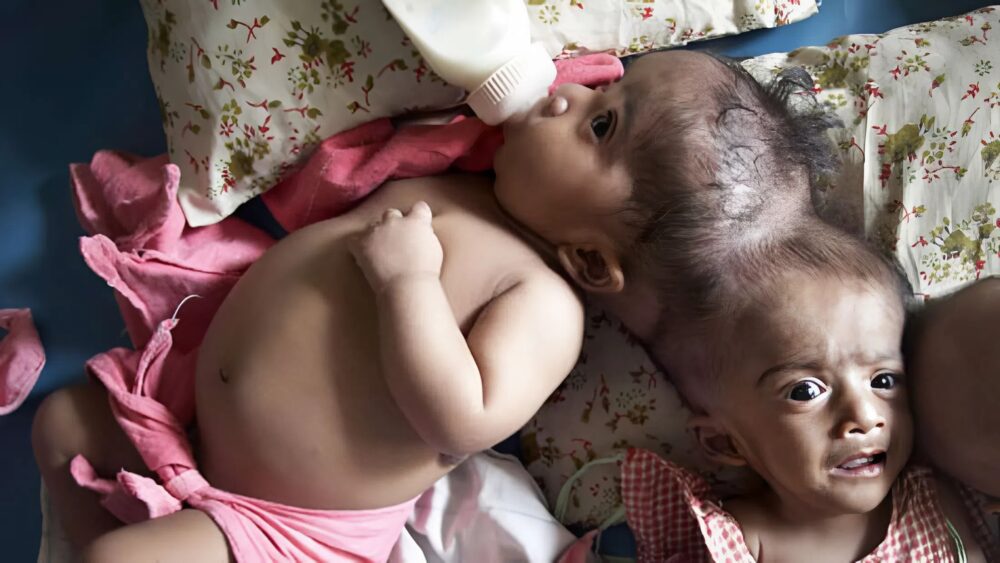
Krishna and Trishna, conjoined twins born in Bangladesh, came into the world in 2006 with a connection so rare that it defied both medicine and human imagination.
From their first hours, their existence unfolded under the sign of uncertainty. Connected at the head, sharing blood vessels and vital brain structures, they were born in a context where medical resources were insufficient to face such complexity. Shortly after their birth, they were placed in an orphanage, their future hanging on a single question: survive together… or attempt the impossible.😱
In 2007, a decisive turning point began. An international humanitarian organization arranged their transfer to Australia, where a medical team agreed to study a scenario few dared to consider seriously: surgical separation. For nearly two years, specialists analyzed, modeled, and rehearsed every move, aware that the slightest mistake could be fatal.
In November 2009, at Melbourne’s Royal Children’s Hospital, time seemed to stop. Twenty-seven hours of uninterrupted surgery mobilized 16 experts, facing one of the riskiest neurosurgical challenges ever attempted. The statistics were relentless: a one-in-two chance of causing irreversible brain damage.
But that night, science held, against all odds, Krishna and Trishna survived. Placed in intensive care, they began a slow climb back to life. Day by day, their bodies responded, their minds awakening separately for the first time.
👉 Let’s look at the photos after the separation and already grown thanks to the link in the 1st comment 👇👇👇👇.
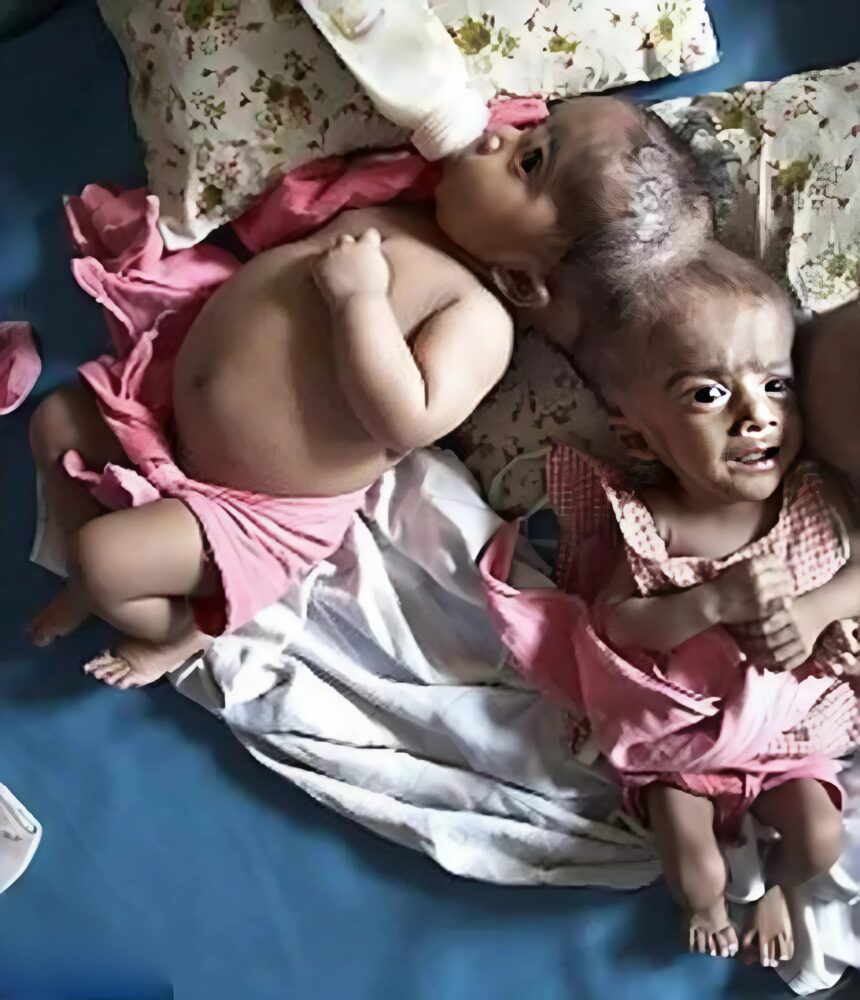
After the separation, a new chapter opened for Krishna and Trishna — fragile, uncertain, but deeply human.
For the first time, each had her own space, her own pace, a unique perspective on the world. The doctors remained cautious, however: surgical success was only the starting point of a long journey.
The following weeks were dedicated to rehabilitation, neurological examinations, and physiotherapy.
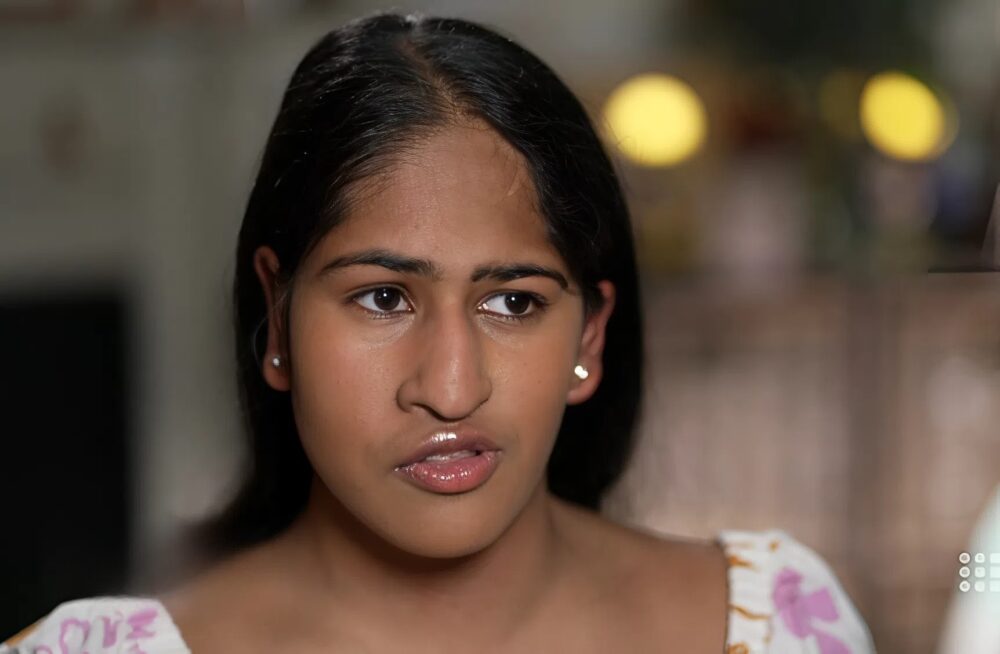
Every progress, however small, took on the appearance of a victory. A finger that moves, a gaze that follows a light, a timid smile: so many encouraging signs of gradual adaptation to this new life.
Gradually, the twins left intensive care. Their condition stabilized, their strength returned. Supported by medical teams and volunteers, they learned to exist separately, while remaining united by an exceptional story.
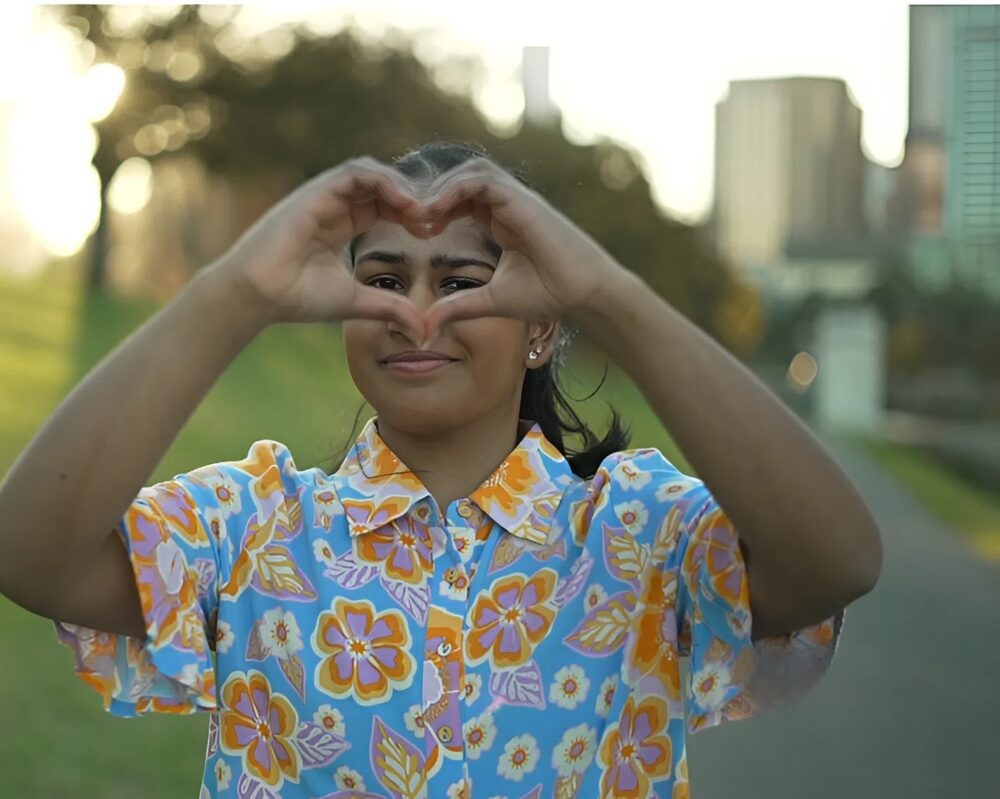
Today, Krishna and Trishna embody a powerful symbol of hope, reminding us that human courage and science can, together, overcome the impossible.