He invited his ex-wife who was suffering from cancer to his wedding to mock her, but what happened was completely unexpected for everyone.😱😱
Marc Caron believed he controlled every detail of his life, until the day he decided to turn his wedding into a cruel spectacle. In front of three hundred carefully selected guests, he had Sara, his dying ex-wife, wheeled up to the stage.😱
😔Emaciated, hairless, exhausted by terminal-stage cancer, she struggled to sit upright in her wheelchair. Marc wanted a public humiliation, a dazzling demonstration of his success and the definitive downfall of the woman who had loved him when he was nothing.
When the microphone was handed to her, a heavy silence filled the room. Marc’s new wife forced a nervous smile, convinced it would be nothing more than an awkward moment, quickly forgotten.
Sara closed her eyes, took a deep breath, and began to sing. 😱 Her voice, fragile yet sincere, carried a truth no one could ignore. She did not sing about love. She sang about nights spent working to finance a man’s dreams. She sang about signed loans, whispered prayers in a cold kitchen. She sang about betrayal, abandonment, and then the illness that came after Marc’s success.
As the words echoed, smiles faded. The guests understood the meaning. Business partners exchanged heavy looks. Marc’s new wife turned pale, and Marc himself felt his world begin to crack.
When Sara finished, the room was in tears. A few hours later, the video flooded social media. Marc’s contracts were canceled, his investors withdrew, and his carefully constructed image collapsed.
But the story does not end there. After a few days, Sara received a phone call that changed her life. She couldn’t even speak, she cried nonstop, but not from pain, but… 😱😱😱.
↪️ The rest in the first comment. 👇👇.
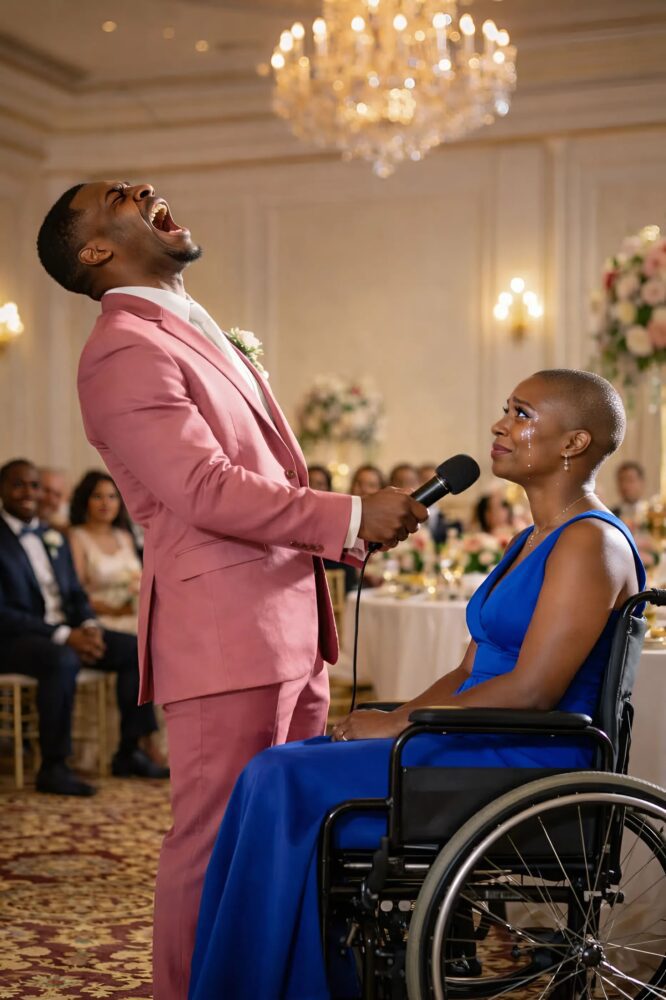
Moved by the global wave triggered by this song, a medical center offered Sara an experimental treatment.
On the other end of the line, a calm voice told her that an international medical center wanted to meet her urgently. Researchers had seen the video.
They had recognized in her file a rare profile, compatible with an experimental treatment still inaccessible to the general public. Sara did not dare believe it. Yet a few weeks later, she entered a clinic, carried by a chance born from an humiliation that had become a miracle.
Months passed. The sessions were heavy and exhausting, but her body responded. The tumors receded. The fatigue eased. Then one day, the doctor smiled and spoke words Sara no longer hoped to hear: complete remission.
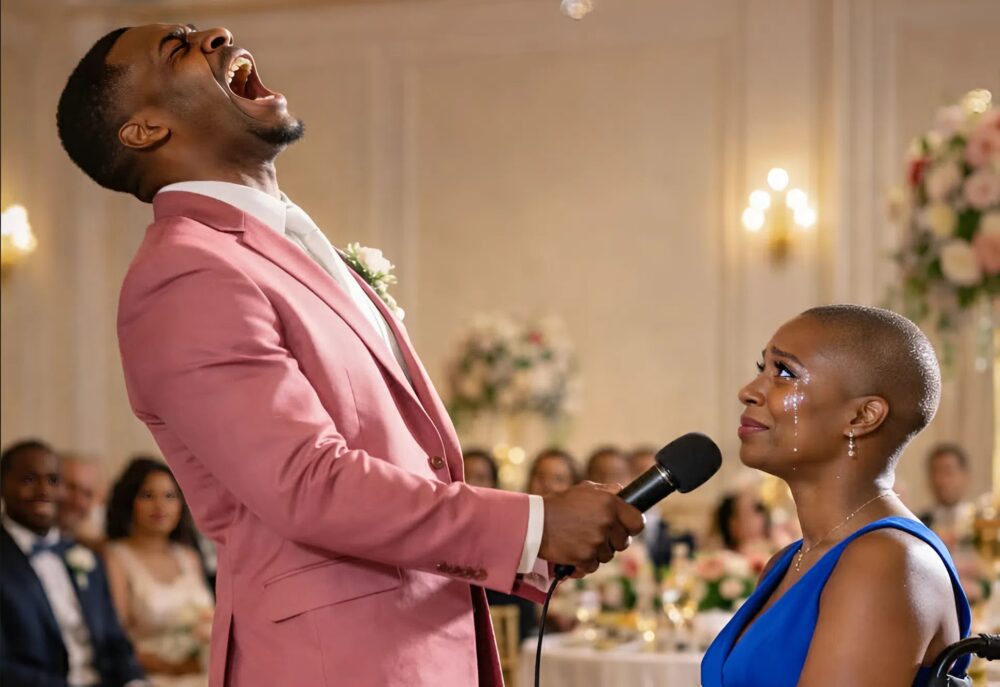
When she regained her strength, Sara sought neither revenge nor recognition. True to who she had always been, she chose peace. She wrote a letter to Marc Caron. A simple letter, without anger.
She thanked him for inviting her to that wedding. For giving her that microphone. For allowing her, without meaning to, to be heard by the world and to gain access to a treatment that saved her life.
Then Sara devoted her time to helping other patients, singing in hospitals, funding treatments, offering hope where there was none left.