I adopted a little girl with Down syndrome that no one wanted. A few days later, ten fancy cars stopped in front of my house…
At 69 years old, widowed, and after five decades with Thomas, the silence in my house had become a heavy burden to bear. The ticking of clocks and the meowing of cats were my only companions. My family had abandoned me. “You’ll become an old lady with cats,” my daughter-in-law had said, before no one came to visit anymore.
I tried to fill this emptiness with gardening and charity work, but the pain remained heavy, like a stone in my chest.
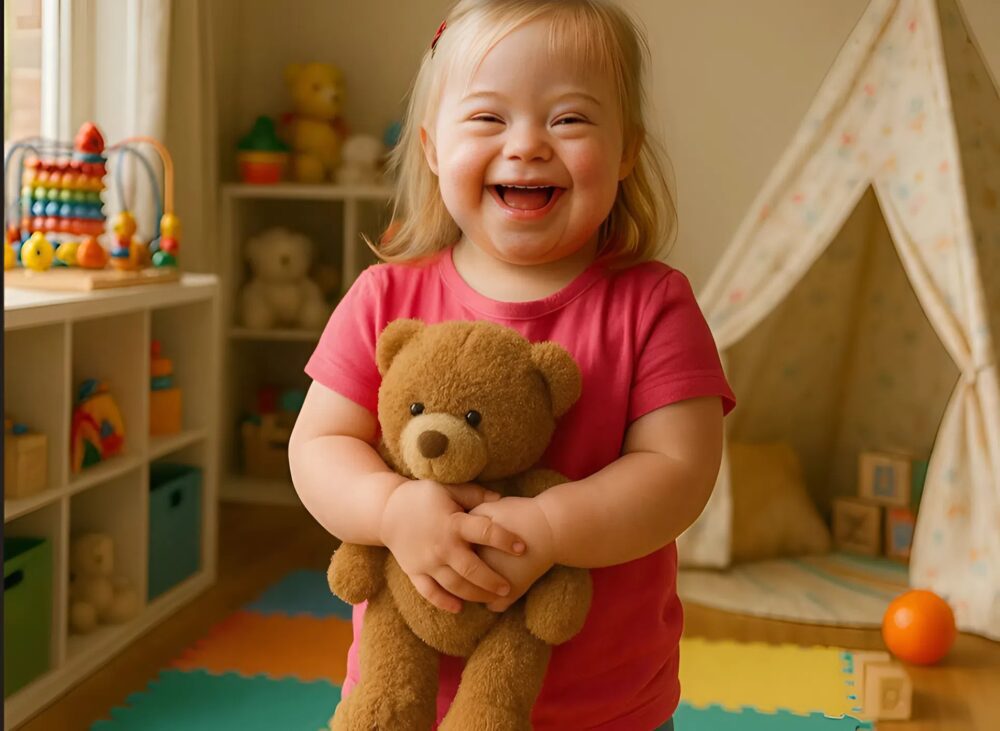
One Sunday at church, I overheard whispers: “There’s a little girl with Down syndrome at the orphanage. No one wants her.” Their words touched me. That same day, I went to see her. Clara was so fragile, wrapped in a thin blanket, her tiny fists clenched as if trying to hold onto life. Our eyes met, and I knew: “I’ll take her.”
Despite my son’s protests, “You’ll die before she even grows up!”, I replied, “Then I will love her with all my strength until that day.”
For the first time in years, my house was filled with life.
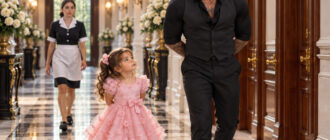
A week later, the unthinkable happened. Engines roared down my quiet street. I looked out the window: ten black cars, impeccably parked, lined up like an army. Men in perfect suits were walking toward my porch.
I held Clara close, my heart pounding. I opened the door, my voice trembling, but proud: “Who are you… and what do you want from us?” 😱
👉 The full story awaits you in the first comment 👇👇👇👇.
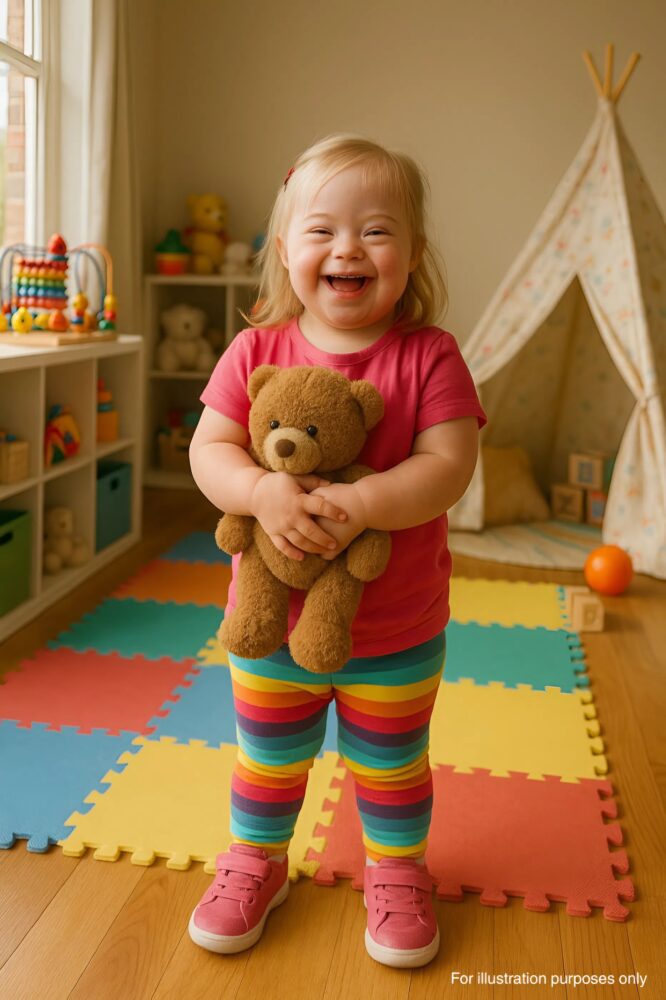
A week later, a deep, regular, almost ceremonial rumble filled the street. I stepped out onto the porch, Clara in my arms. Ten black cars lined up in front of my house, their shiny bodies gleaming under the pale Illinois sun. Men in perfect suits emerged, moving in synchrony like a silent army.
One of them approached.
“Are you Clara’s guardian?” he asked.
I nodded. He handed me an envelope, heavy with official papers. Clara’s parents — young tech prodigies — had perished in a fire. Their only daughter had inherited a colossal fortune: mansions, stocks, lands.
They offered me everything, to raise Clara in a crystal-clear world. For a moment, I imagined chandeliers, servants, endless corridors. Then Clara moved in my arms, tiny and alive, searching for warmth.
“No,” I whispered. “Sell everything.”
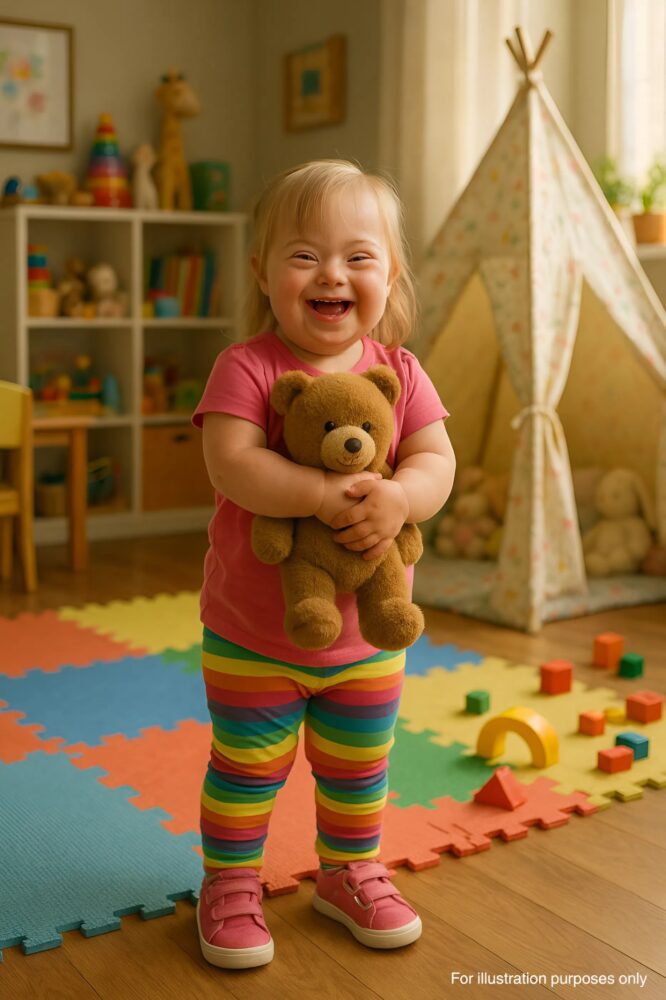
I refused to let her grow up in a gilded cage. With the money, I founded the Clara Foundation, dedicated to children with Down syndrome. Next to my old house, I opened a sanctuary for abandoned animals — a refuge for all the rejected souls.
The years went by. Clara flourished. She painted the walls, decorated the cats with glitter, and laughed a laugh that filled the house. At ten, on stage, she proudly declared:
“My grandmother says I can do anything. And I believe her.”
Today, my hair is gray, my hands tremble. But when I see Clara, now married and happy, I know: by saying yes to that child no one wanted, I found the true meaning of wealth.
Because that day, I didn’t just save her.
She saved me.